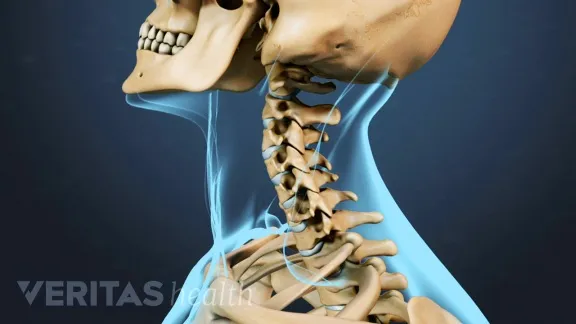
Neck pain is one of the most common musculoskeletal problems and can affect people of all ages. It may feel like stiffness, aching, sharp pain, reduced movement, or discomfort that spreads into the shoulders, upper back, arms, or head. The neck, also called the cervical spine, supports the weight of the head and allows flexible movement, which means it can easily become strained through poor posture, long sitting hours, stress, injury, or age-related changes.
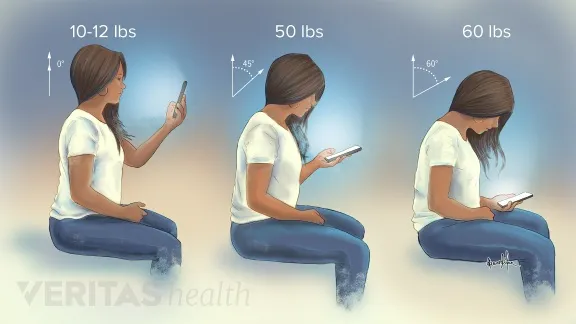
Many cases of neck pain are linked to everyday habits such as working at a desk for long periods, looking down at a phone, sleeping awkwardly, or holding tension in the shoulders. The NHS lists common causes of neck pain as poor posture, sleeping with the neck in an awkward position, a pinched nerve, or injury such as whiplash.
Another possible cause is cervical spondylosis, which refers to age-related changes in the bones, discs, and joints of the neck. It can cause neck and shoulder pain, stiffness, and headaches that often begin at the back of the neck, although some people have these changes without symptoms.
Simple lifestyle changes may help manage mild neck discomfort. Try taking regular breaks from screens, sitting upright with your shoulders relaxed, keeping your head level while sleeping, using a supportive pillow, and avoiding keeping the neck in one position for too long. Gentle movement is often better than complete rest, but exercises should be done carefully and stopped if they make symptoms worse.
You should seek medical advice if neck pain is severe, does not improve after a few weeks, follows an accident, or is linked with numbness, tingling, weakness, or pain travelling into the arms. Professional assessment can help identify the cause and guide safe treatment, including physiotherapy, posture correction, pain management, or further investigation where needed.

kashifnabi5544